
Changing the leadership narrative, one story at a time


Gender inequity is still alive and well in today’s workplace…
the issue
The gender wage gap has widened for the first time in 20 years: women earn $0.81 for every $1 men earn.
For every 100 men promoted to managerial roles, only 87 women are promoted.

...because it’s running on old scripts that begin in childhood.
54% of young women (11–16) believe they must be careful about appearing "too smart" in front of boys.
27% of men believe that men are more suited to be senior business leaders than women.
Women’s history can help us flip the script .
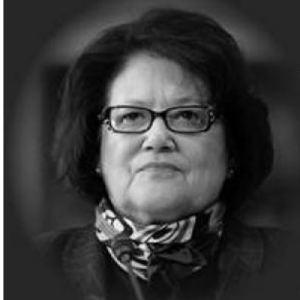
Elouise Cobell (“Yellow Bird Woman”)
(1945-2011)
After being told by federal officials that she "didn't understand" accounting, Elouise Cobell overcame the stereotype that Native American women lacked financial expertise by founding the first tribally-owned national bank. She leveraged her business acumen to lead a thirteen-year legal battle against the U.S. government, ultimately forcing a historic $3.4 billion settlement for the mismanagement of tribal lands and proving that local community leadership is the most effective antidote to systemic neglect

Muriel Siebert
(1928-2013)
Despite lacking a college degree, Muriel Siebert overcame the stereotype that women were only fit for secretarial work by raising her own money to secure a seat on the New York Stock Exchange, eventually using her influence to run the state’s banking department and famously forcing the 'boys' club' to install its first female restroom by threatening to place a portable toilet on the trading floor.
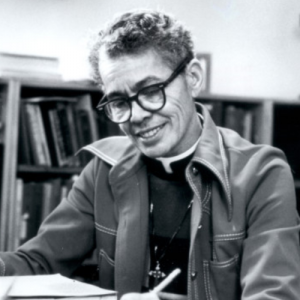
Pauli Murray (s/he)
(1910-1985)
Pauli Murray’s journey was a series of defiant pivots. After being rejected by Columbia for their gender and UNC for their race, Murray chose to fight from within, earning a law degree to dismantle segregation. When Harvard later blocked them for being a woman, they pivoted to Yale, becoming the first Black person to earn a J.S.D. there. Despite personal struggles with gender identity in an era without support, they co-founded the National Organization for Women and became the first Black woman ordained as an Episcopal priest.
Introducing Unmuted
Unmuted is a youth-led movement to bridge the gap between historic triumphs and future careers.
For all the….
…dreams dismissed as "too ambitious"
…careers women were steered away from
…brilliant ideas left unsent in the chat box
…strategic pivots led from the shadows
…moments hovering over the mic
It’s time to Unmute.
Unmuted turns the stories of women past and present into tools for young people to lead intergenerational dialoge and commit to action.
The experience

LEARN
Explore stories of women and non-binary leaders who drove innovation throughout history and the gender stereotypes they overcame.

DO
Select a leader’s story related to your career interests and discuss the challenges they faced with near peers and established leaders.

SHARE
Share written and video reflections on how you have experienced these stereotypes and what we can do to flip the script.

LEAD
Apply to join a 6-month Leadership Cohort to bring narrative change practices to your workplace.
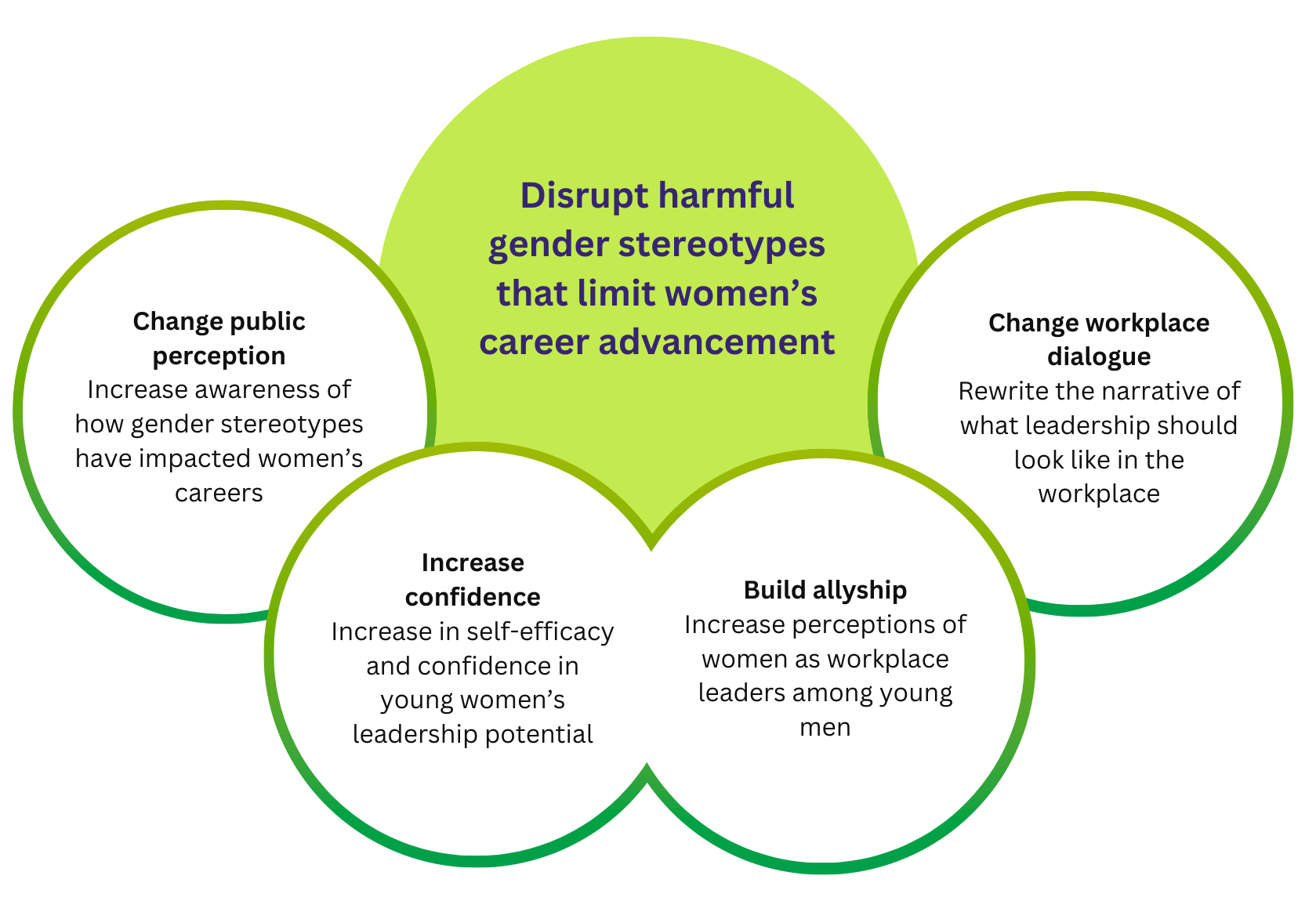
Unmuted uses narrative change strategies to transform beliefs and behaviors into systemic change.
Our theory of change
Our core principles
These principles guide our design, outreach, measurement and evaluation.
Youth led
We intentionally cede control and provide support to a team of youth designers to develop the Unmuted curriculum and act as advisors throughout the program.
Gender inclusive
Unmuted engages young people of all genders, because we can’t change the workplace without allies.
Intergenerational
We must carry forward the lessons from past generations. That’s why Unmuted bridges conversations between career explorers (13-17), early career professionals (18-25) and established leaders (Millennials, Gen X and Boomers).
What young people are saying
DoSomething members see the importance of sharing stories and combatting the stereotypes that hold us all back.
Haasini Y., Age 18
“In order to create change, we must all be able to learn about each other's needs, even if they are different.”
James V., Age 20
“The information from previous generations build a bridge for us to understand the issues they have faced.”
Jade C., Age 20
““By sharing and listening to these stories, together we can shift workplaces from harmful narratives to stronger, more empathetic culture.”